Good questions.
Straight answers.Start with the system you have.
Choose the storage you need.
How should I start planning home battery storage in Kenya?
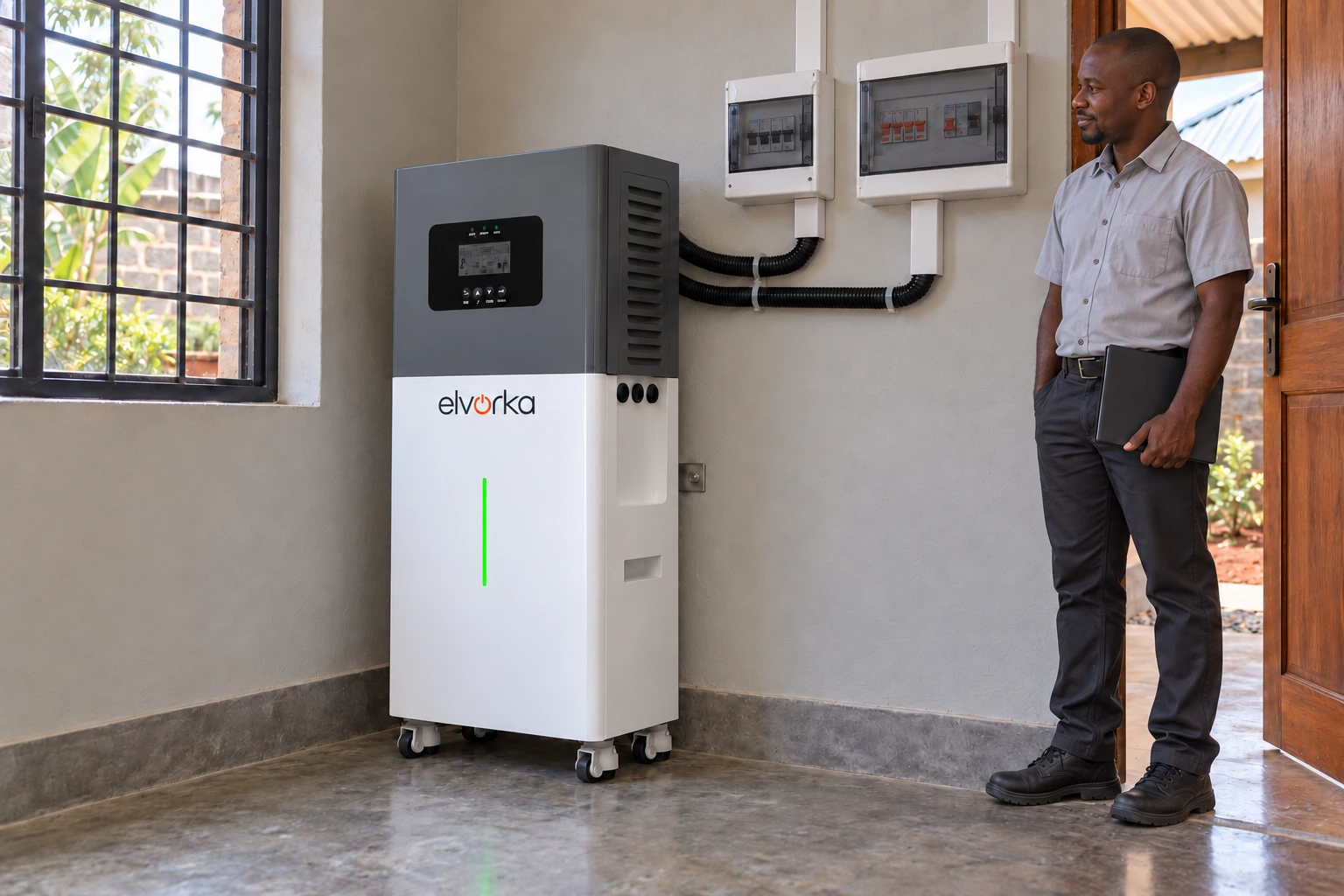
List essential appliances, their running power, starting requirements and required backup hours. Share the existing inverter model, if any, and describe the proposed dry equipment space so energy, output power and installation conditions can be assessed together.
Can I connect a 51.2 V battery to my existing inverter?+
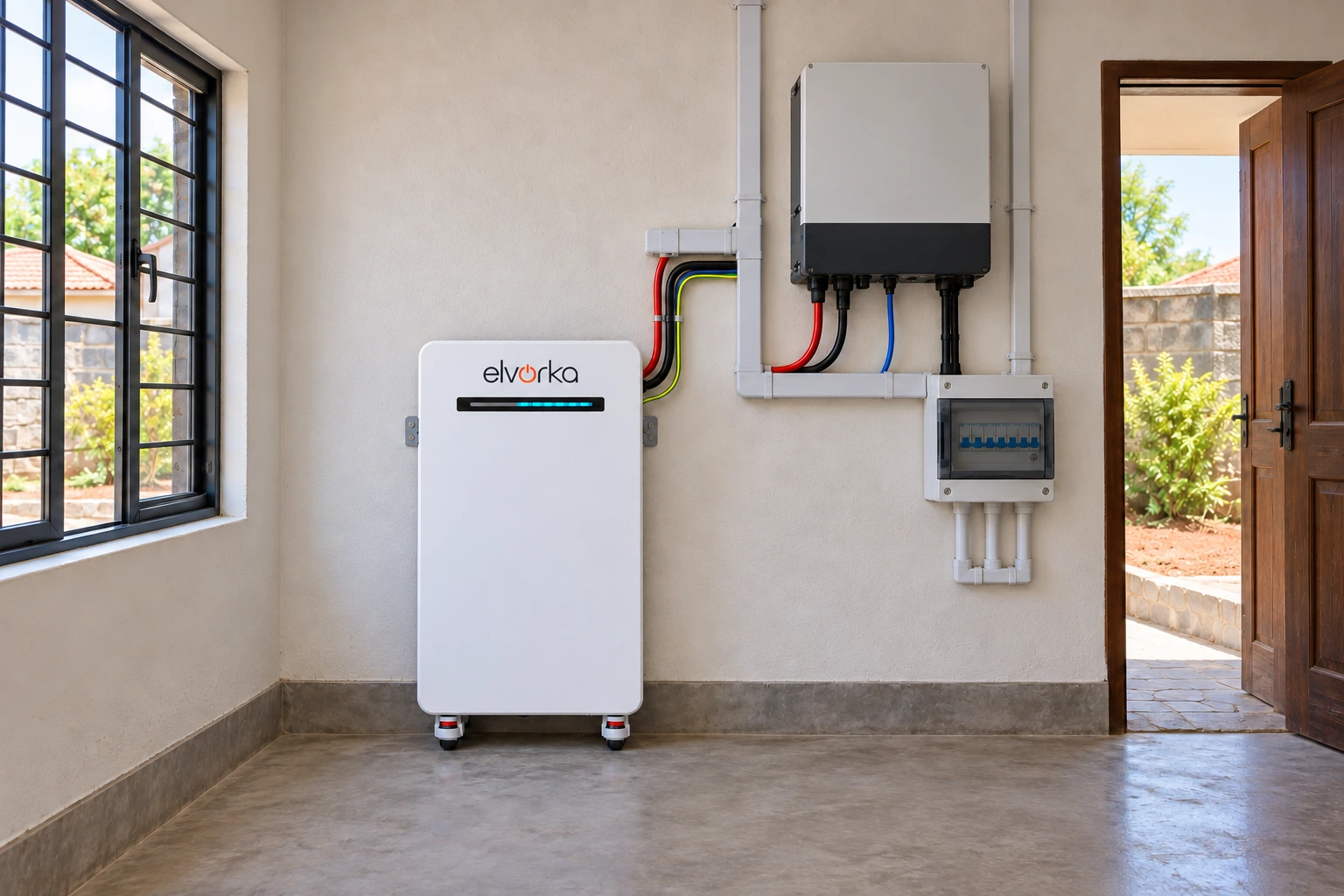
A nominal voltage match alone does not confirm compatibility. Your installer should verify the inverter’s DC voltage window, charge and discharge current, CAN or RS485 protocol, firmware and protection settings. High-voltage batteries must not be connected to a low-voltage inverter.
What should be checked for a project in Kenya?+
Confirm the installation’s AC supply, inverter phase requirements, essential-load circuits and local electrical requirements. The EU integrated range lists 230 V AC and 50 / 60 Hz. TA6000 lists 120 V US and 230 V EU options; specify the required market configuration. The project’s backup circuits and protection requirements need installer review.
Can these batteries be installed outdoors?+
TR Pro and HP Ultra list IP66 enclosures. Other families have different or optional protection ratings. An IP rating alone is not an installation instruction: check the selected model’s temperature limits, clearances, shelter, ventilation and installer requirements.
Does more battery capacity mean more output power?+
No. Capacity in kWh describes stored energy. Power in kW describes the rate energy can be delivered. Battery-side DC ratings and inverter AC output are different. Both the selected battery configuration and inverter must support your operating and starting loads.
How do I confirm price, warranty and availability?+
Prepare a project brief with your city, required loads, existing inverter and selected product. Ask your supplier to confirm the exact configuration, quotation currency, warranty terms, installation scope, delivery timing and after-sales arrangements in writing.
Can I add a battery to my existing inverter?+
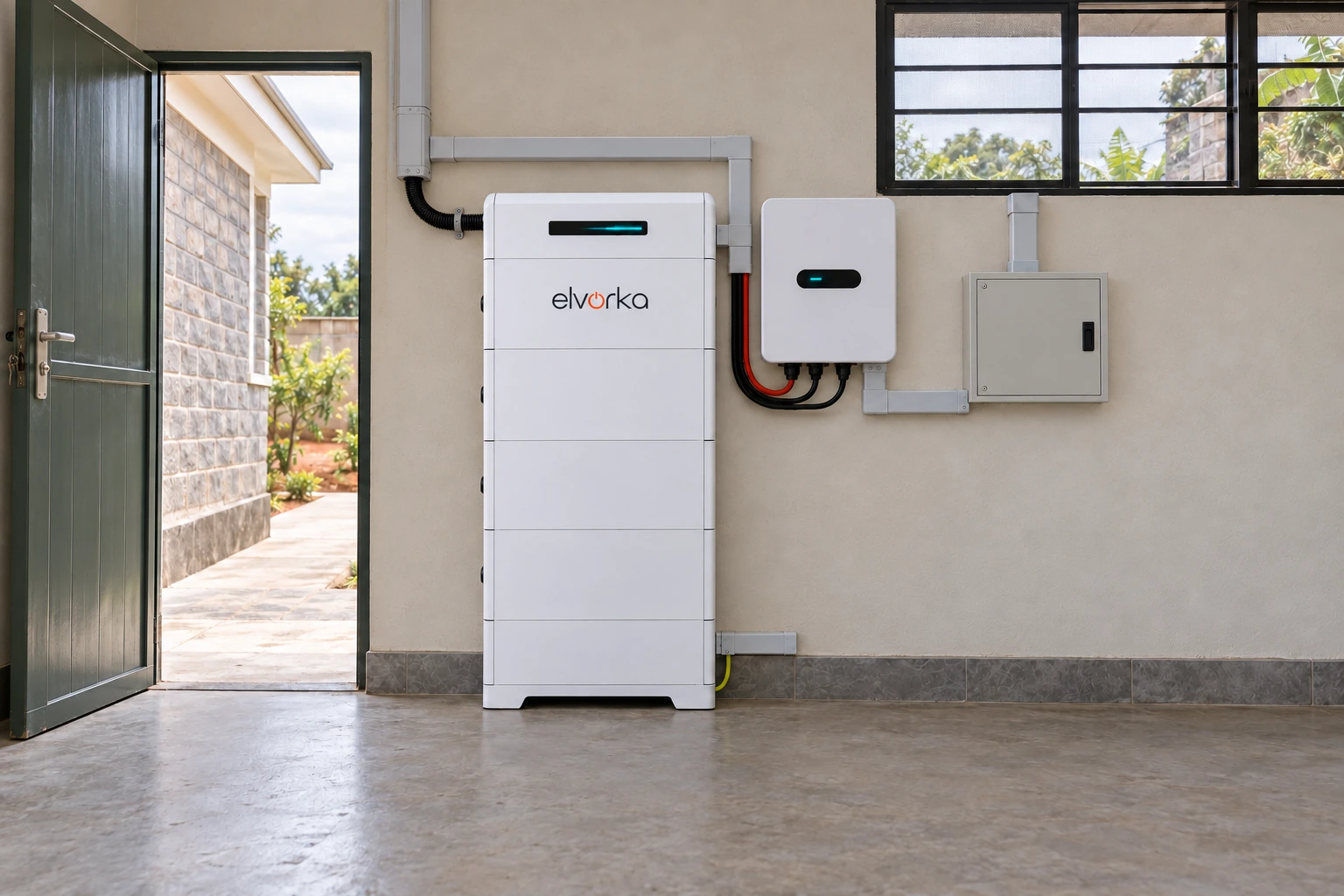
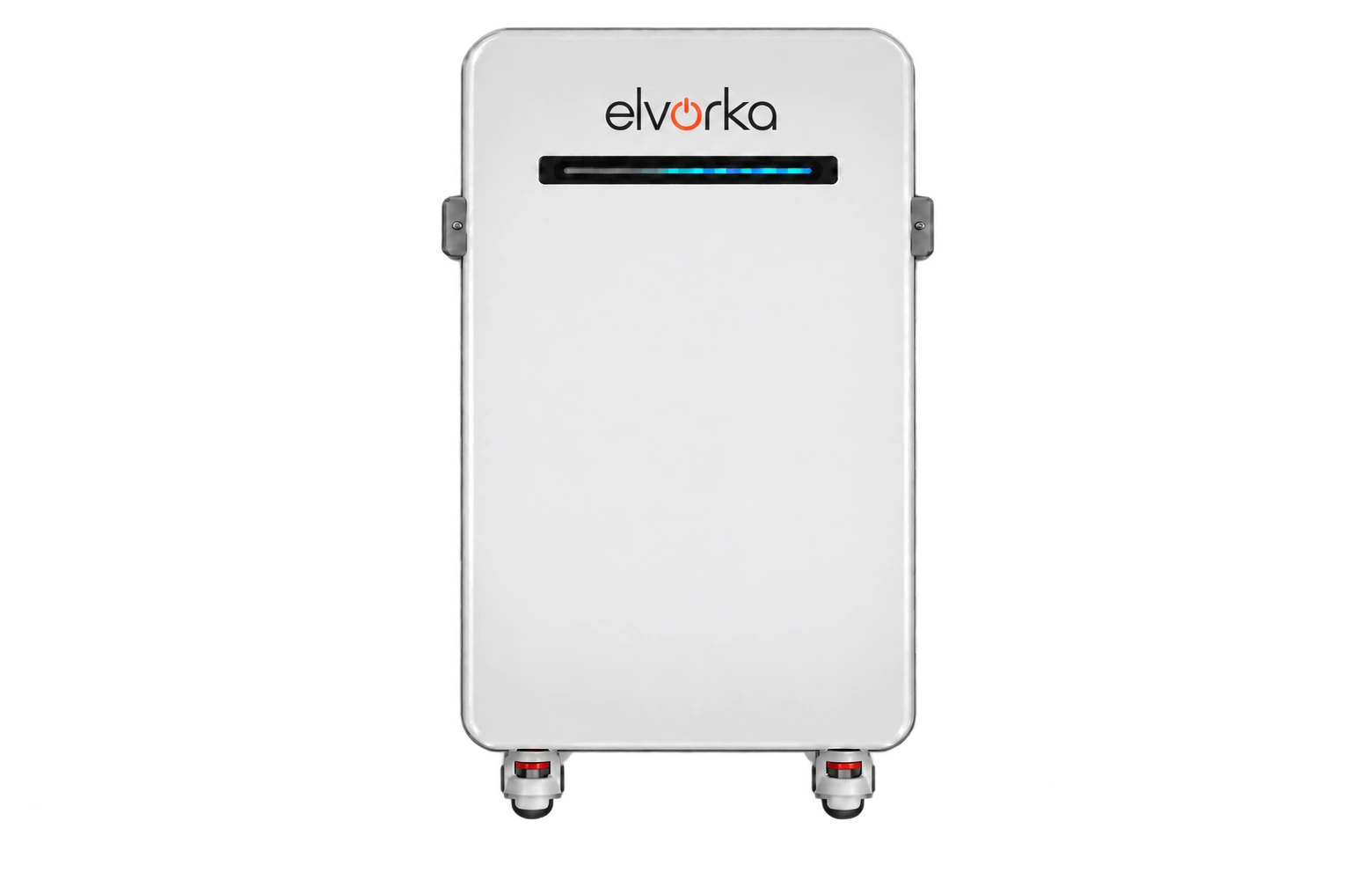
Yes, where the combination is confirmed compatible. Share the inverter make and model, battery-voltage range, charge/discharge current limits and CAN/RS485 requirements. TR Pro is a 51.2 V family; HP Ultra is high voltage and uses a different electrical architecture.
Is an IP66 battery automatically suitable next to the coast?+
Its IP rating is one selection input. Coastal corrosion, condensation, flooding, weather exposure and the exact housing still need project-specific review. A dry sheltered service location and the model’s installation instructions guide the final design.
Are these load examples tiny lighting kits or runtime promises?+
They are planning examples for household ESS and selected household circuits. They are not tiny solar-lighting kits or guaranteed runtime. Final duration depends on usable battery energy, inverter consumption, changing loads, temperature and the selected operating settings.